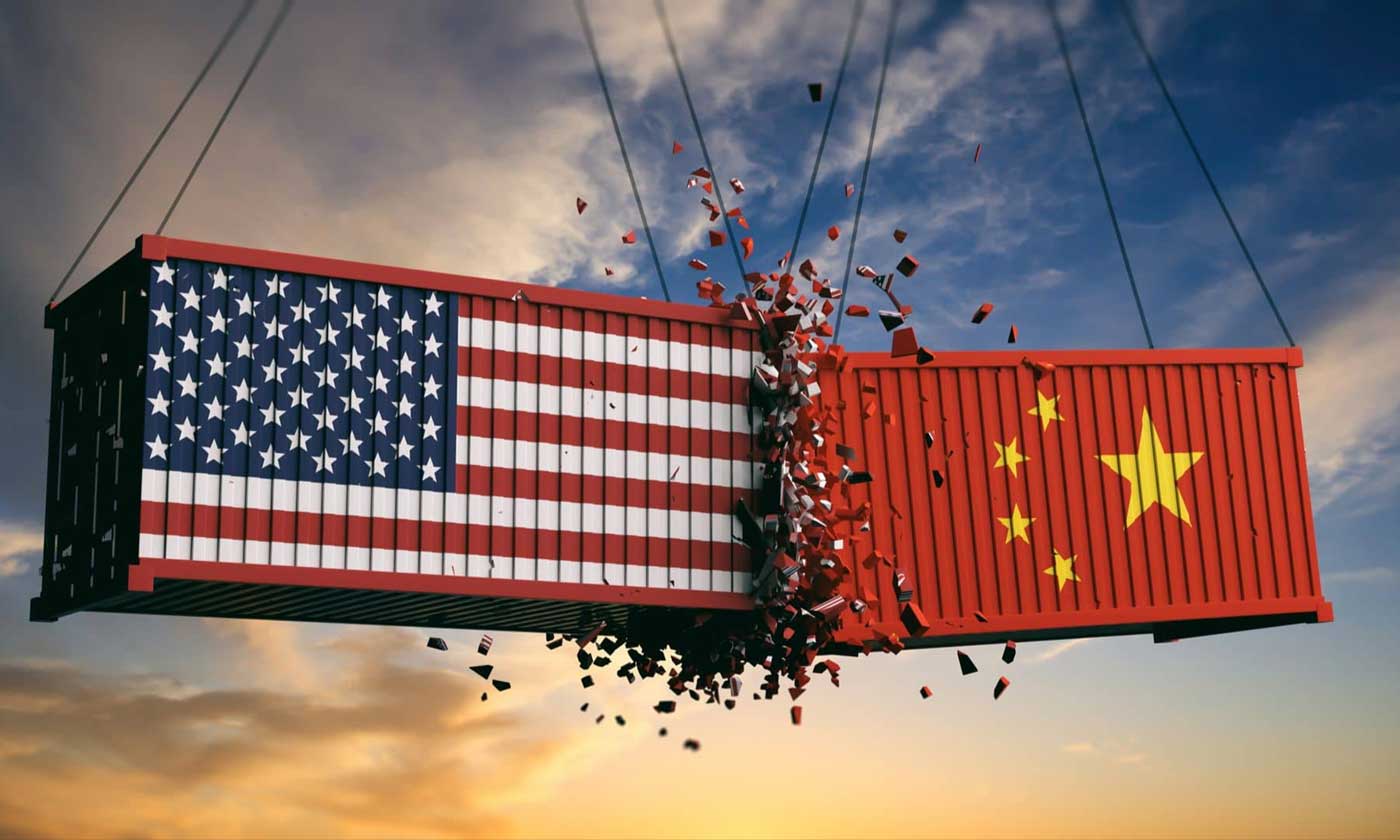
The U.S.-China trade war has once again entered a critical phase in 2025, reshaping global economic dynamics. Despite previous attempts at stabilizing relations, both sides have introduced new tariffs and restrictions, deepening economic uncertainty worldwide.
Recently, the U.S. administration imposed additional tariffs on a wide range of Chinese goods, citing concerns over intellectual property rights, supply chain security, and market access. These new tariffs, some reaching over 100%, have hit industries like technology, manufacturing, and consumer electronics particularly hard. American companies relying heavily on Chinese imports now face rising costs and disrupted supply chains, forcing many to explore alternative suppliers in Southeast Asia and Latin America.
China has responded firmly by increasing tariffs on American agricultural products, automobiles, and energy exports. Furthermore, Beijing has restricted the export of rare earth minerals crucial to U.S. tech industries, signaling its readiness to use strategic resources as leverage. China’s leadership is also doubling down on efforts to boost domestic consumption and self-reliance through subsidies, incentives, and the advancement of the “Made in China 2025” strategy.
Meanwhile, diplomatic negotiations continue behind the scenes, but progress is slow. Mistrust remains a major obstacle, with both nations publicly maintaining a hardline stance. Global markets have reacted with volatility, and investors are increasingly cautious amid fears of a broader economic slowdown.
The ongoing trade conflict is not just a bilateral issue anymore; it is reshaping the future of globalization itself. Supply chains are being restructured, new trade alliances are forming, and emerging economies like Vietnam and India are gaining from the shift.
As the world watches, the U.S.-China trade war is becoming a defining feature of the global economy in 2025 — one with lasting impacts that will likely extend well beyond the current administration.