ANALYSIS
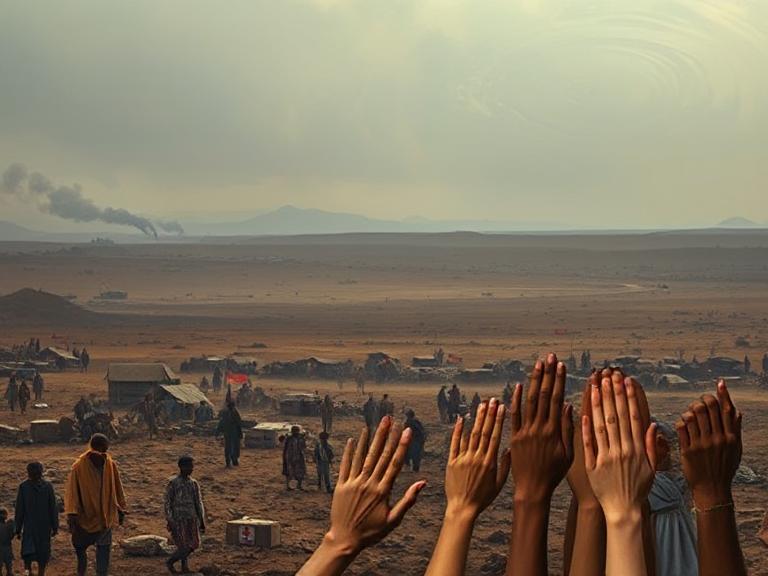
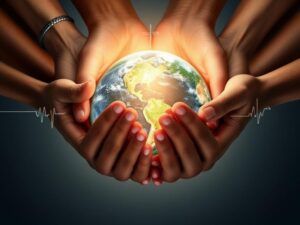
The global humanitarian landscape in mid-2025 presents a deeply troubling picture, characterized by an unprecedented convergence of conflict, climate change impacts, and widening inequalities. The International Rescue Committee’s (IRC) 2025 Emergency Watchlist paints a sobering reality of a world increasingly “out of balance,” with a deepening divide between countries making progress towards the Sustainable Development Goals and those being left behind. This imbalance is driving a surge in humanitarian needs, concentrating suffering in the world’s most fragile contexts.
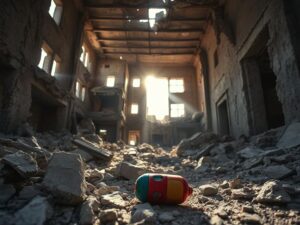
The conflict in Sudan, which erupted in April 2023, has escalated to become the largest humanitarian crisis ever recorded, with millions displaced and facing catastrophic food insecurity that could lead to widespread famine in 2025. Similarly, the ongoing conflict in the Occupied Palestinian Territories continues to be the deadliest place for civilians globally, with gut-wrenching reports of suffering and a desperate need for humanitarian access. These are just two of the many hotspots where violence is driving mass displacement and disrupting every facet of society, creating a harmful cycle of instability and deprivation.
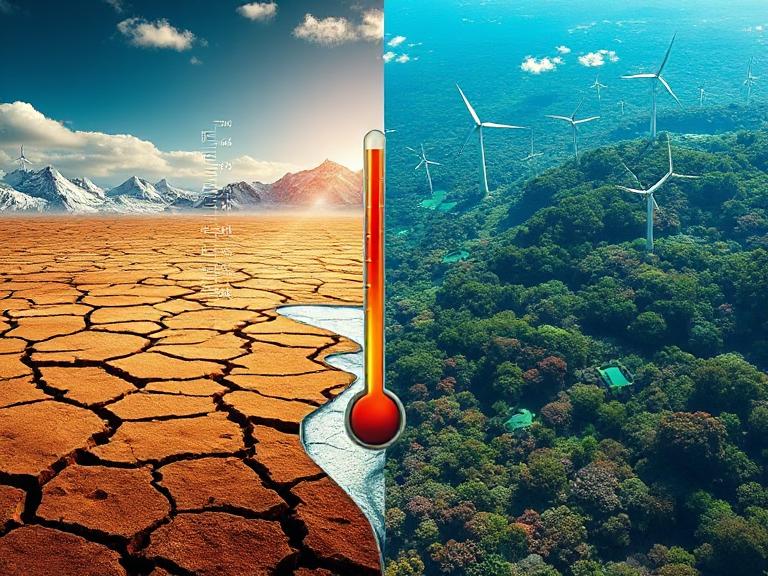
Beyond direct conflict, climate change is emerging as a critical driver of humanitarian emergencies. Somalia, for example, after facing five consecutive failed rainy seasons, is now experiencing widespread flooding, illustrating how repeated climate shocks devastate livelihoods and exacerbate food insecurity. The Central Sahel region, including Burkina Faso, Mali, and Niger, is grappling with a severe humanitarian and protection crisis, with millions forced to flee due to increased conflict in rural areas compounded by environmental degradation. These climate-induced displacements often push vulnerable communities to the brink, leaving them susceptible to exploitation and further suffering.
Adding another layer of complexity is the persistent issue of global inequality. While the world’s overall wealth continues to accumulate, extreme poverty is actually growing in many Watchlist countries. This deepening inequality means that those who have contributed the least to climate change or global conflicts are disproportionately bearing the brunt of their consequences. Lack of access to resources, limited opportunities, and inadequate infrastructure make these communities highly vulnerable. The IRC highlights four key imbalances driving these crises: increased attacks on civilians with fewer consequences for perpetrators, rising carbon emissions with insufficient climate support for affected nations, greater wealth accumulation with less poverty alleviation, and a growing concentration of forced displacement in Watchlist countries.
The global system designed to prevent and address humanitarian crises is demonstrably failing to meet the current scale of need. There is an urgent call for reshaping and rebalancing diplomatic and development approaches. Key recommendations include a significant increase in humanitarian aid spending to match deepening global needs, ensuring safe and unhindered humanitarian access for aid workers to reach those in distress, investing proactively in climate adaptation and resilience measures to mitigate future shocks, and expanding safe pathways and assistance for refugees to strengthen their protection and inclusion. Without a fundamental shift in international cooperation and a renewed commitment to humanitarian principles, the suffering in these “out of balance” regions is set to intensify, creating a moral imperative for global action that demands immediate and sustained attention.
More from the Maple