OPINION
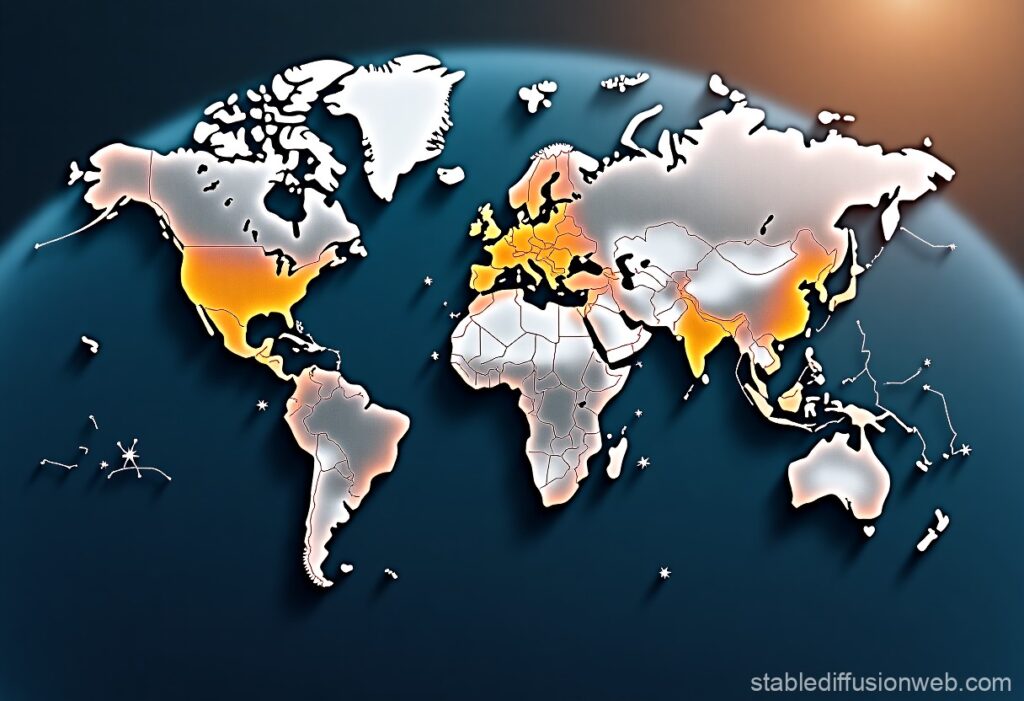
The international system is in a perpetual state of flux, a dynamic arena where power constantly shifts, and the global order is redefined. The phrase “shifting sands of global power” aptly captures this reality, highlighting the fluid and often unpredictable nature of international relations. We are currently witnessing a period of profound transformation, characterized by the decline of traditional hegemonies, the rise of new power centers, and the increasing complexity of global challenges. This essay will delve into the key factors driving this transformation and analyze the contours of the emerging world order.
One of the most significant drivers of this shift is the diffusion of economic power. The post-World War II era saw the United States emerge as the dominant economic force, shaping the global financial system and trade patterns. However, the rapid economic growth of emerging economies, particularly China and India, has challenged this dominance. China’s rise as a manufacturing powerhouse and a major trading nation has propelled it to the forefront of the global economy, while India’s burgeoning service sector and growing consumer market have also significantly increased its economic clout. This diffusion of economic power has led to a more multipolar world, where economic influence is distributed among several key players, rather than concentrated in a single dominant power.
This economic shift is closely intertwined with a geopolitical realignment. The unipolar moment following the collapse of the Soviet Union, where the United States enjoyed unparalleled political and military dominance, is fading. The resurgence of Russia as a more assertive power, particularly in its near abroad, and China’s growing military capabilities and its assertive foreign policy in the South China Sea and beyond, have challenged the US-led international order. Regional powers like Turkey, Iran, and Saudi Arabia are also playing more prominent roles in their respective regions, further contributing to the multipolar trend. This geopolitical realignment is characterized by a complex web of alliances and rivalries, where traditional power dynamics are being reshaped, and new centers of influence are emerging.
Technological advancements are another crucial factor driving the transformation of the global order. Rapid innovation in areas such as artificial intelligence, biotechnology, and renewable energy is not only transforming economies but also reshaping power dynamics. Countries that lead in these technological fields gain a significant competitive edge, both economically and militarily. For example, the development of advanced AI capabilities has implications for both economic competitiveness and national security, potentially altering the balance of power between nations. Similarly, the transition to renewable energy sources is reshaping the global energy landscape, reducing dependence on traditional fossil fuel producers and creating new geopolitical dynamics.
The resurgence of nationalism and populism in various parts of the world also contributes to the shifting sands of global power. These ideologies, often characterized by a focus on national sovereignty, anti-globalization sentiment, and a rejection of multilateralism, are challenging the existing international order. The rise of populist leaders in several countries has led to more protectionist trade policies, increased restrictions on immigration, and a more assertive foreign policy, often at the expense of international cooperation. This trend towards nationalism and populism is fragmenting the international system, making it more difficult to address global challenges through collective action.
The implications of these shifts for the future of global governance are profound. The existing international institutions, such as the United Nations, the World Trade Organization, and the International Monetary Fund, which were largely established in the post-World War II era, are facing increasing challenges in adapting to the new realities of a multipolar world. The rise of new power centers and the growing assertiveness of regional powers are straining the ability of these institutions to effectively address global issues such as climate change, pandemics, and economic instability. Reform of these institutions to reflect the changing balance of power and to enhance their legitimacy and effectiveness is crucial for ensuring a stable and prosperous future.
In conclusion, the shifting sands of global power are creating a new world order characterized by multipolarity, diffusion of economic power, geopolitical realignment, technological transformation, and the resurgence of nationalism. This emerging order presents both opportunities and challenges. While it offers the potential for a more balanced and inclusive international system, it also carries the risk of increased competition, instability, and conflict. Navigating this complex and evolving landscape requires a commitment to multilateralism, a willingness to adapt existing institutions, and a recognition that global challenges can only be effectively addressed through cooperation and dialogue among all major powers.