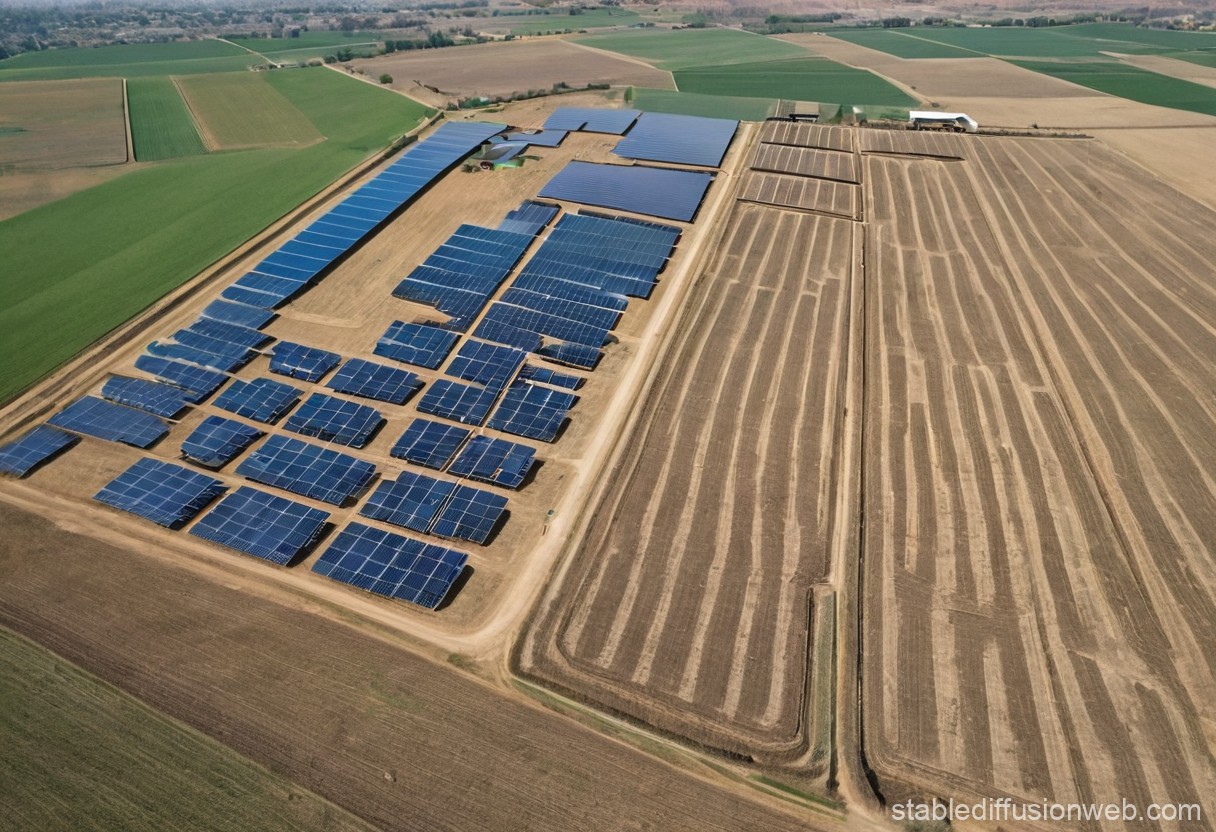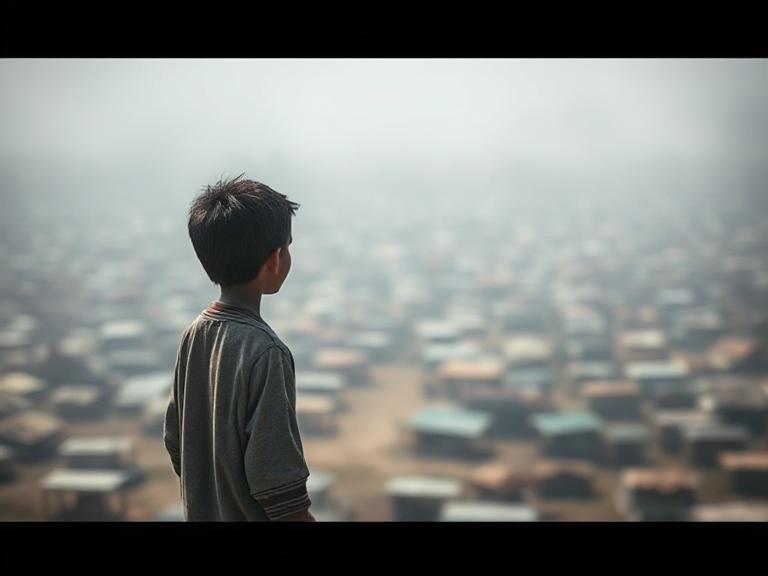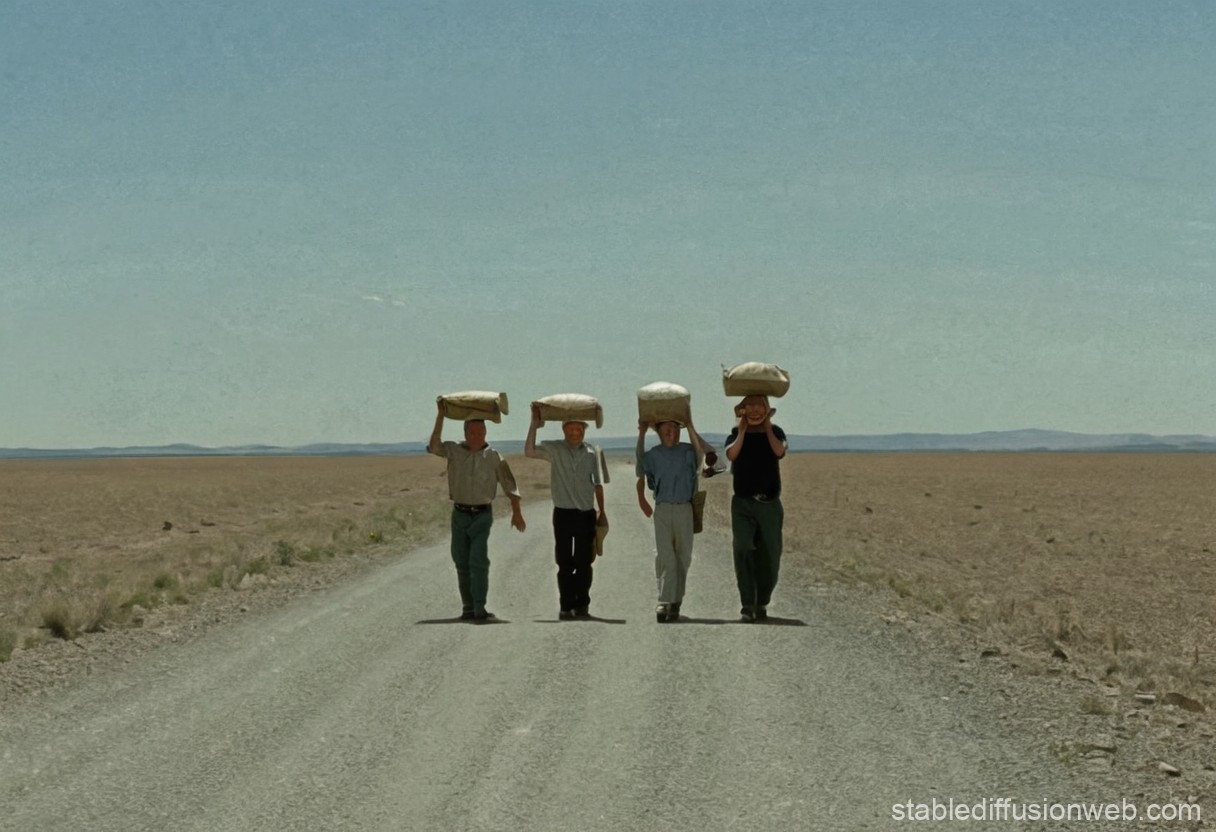
The phenomenon of climate change-induced displacement is emerging as a significant humanitarian crisis worldwide. Rising sea levels, extreme weather events such as cyclones and droughts, and desertification are forcing communities to abandon their homes and livelihoods. Unlike traditional refugees fleeing conflict, climate migrants often lack clear legal protections under international law, creating complex challenges for governments and international organizations in providing assistance and resettlement options.
Regions particularly vulnerable to climate change, such as low-lying island nations and areas prone to desertification, are already experiencing significant population movements. The scale of displacement is projected to increase dramatically in the coming decades, placing immense pressure on resources and infrastructure in receiving areas. Addressing this crisis requires a multi-faceted approach, including mitigating greenhouse gas emissions to slow down climate change, providing humanitarian aid to affected populations, and developing legal frameworks to protect the rights of climate migrants. International cooperation and a shared sense of responsibility are crucial in tackling this growing global challenge.