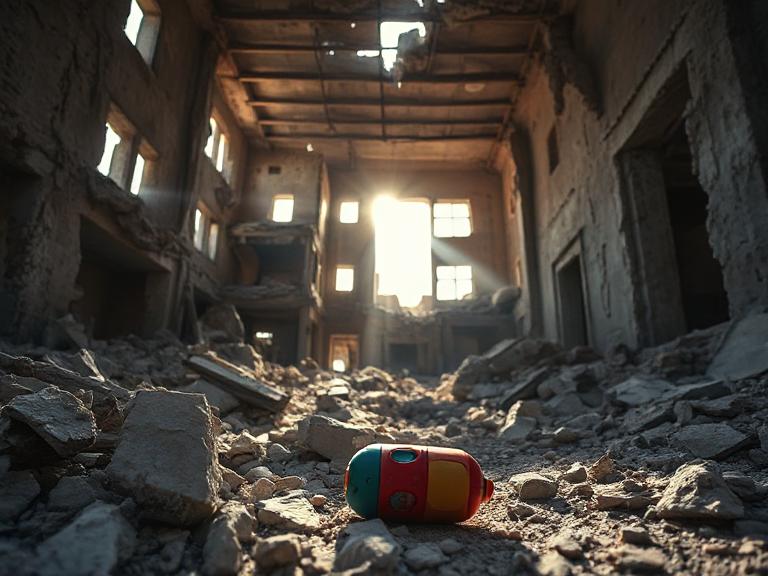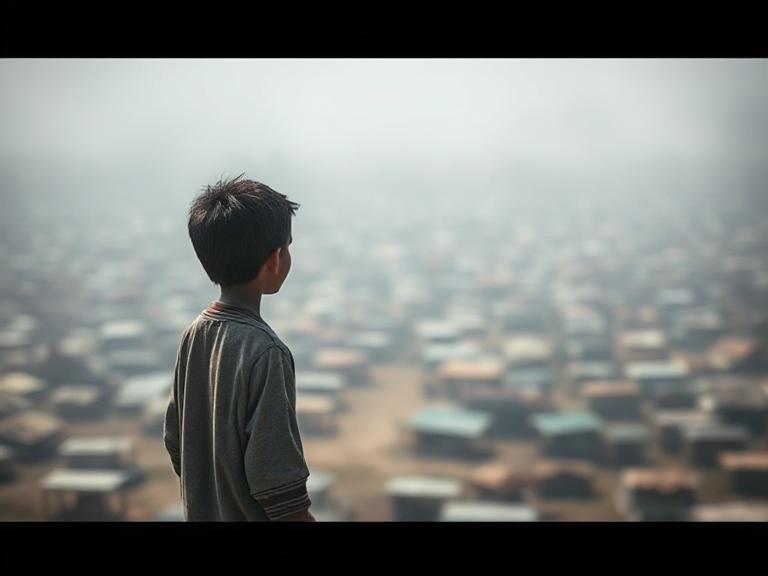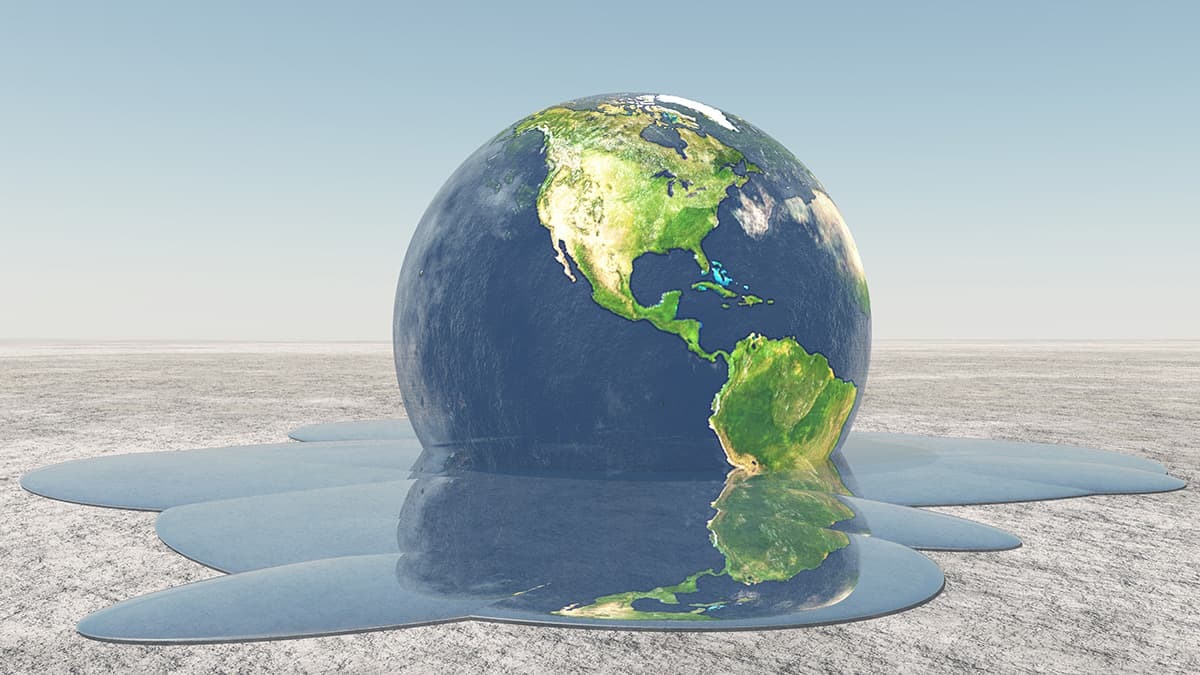
Climate change is no longer a distant threat looming over future generations — it is a full-blown crisis that is already reshaping our world. From rising sea levels swallowing coastal cities to extreme weather events devastating communities, the evidence is all around us. Yet, the global response remains far too slow, too fragmented, and, frankly, too timid.
One of the greatest tragedies of our time is that we have had decades of warning. Scientists, activists, and indigenous communities have been sounding the alarm since the late 20th century. We know the causes: burning fossil fuels, deforestation, industrial farming, and unchecked consumerism. We know the solutions: renewable energy, reforestation, sustainable agriculture, and global cooperation. Yet, year after year, promises are made and broken, while carbon emissions continue to climb.
Part of the problem lies in short-term thinking. Politicians focus on election cycles, corporations focus on quarterly profits, and individuals often feel powerless against such a massive issue. Meanwhile, the planet does not wait. Arctic ice melts at record speeds. Wildfires rage longer and hotter. Droughts choke food supplies, while floods drown cities. Climate change is not just about polar bears or distant islands anymore — it is about our food security, our health, our economies, and our children’s futures.
Some argue that new technologies will save us — that innovations like carbon capture or geoengineering can reverse the damage. While technology certainly has a role to play, relying on future inventions as an excuse for present inaction is reckless. True change requires fundamental shifts in how we live, consume, and govern. It demands that we rethink our relationship with nature not as something to dominate, but as something to protect and cherish.
There is hope, but it demands courage. Around the world, young people are rising, demanding action through protests, lawsuits, and political campaigns. Some governments and companies are beginning to pivot towards greener policies, recognizing that sustainability and prosperity can go hand-in-hand. Renewable energy is cheaper than ever. Environmental awareness is spreading faster than before. These are positive signs, but they must be matched by systemic change at a global scale.
Climate change is not a niche issue. It cuts across all others — economy, health, migration, national security. If we fail to act decisively now, we will bequeath to the next generations a world far harsher and less stable than the one we inherited. If we succeed, however, we have the chance to build a cleaner, fairer, and more resilient world.
We are the first generation to truly understand the threat of climate change, and likely the last with the power to prevent its worst outcomes. The window for action is rapidly closing. The question is no longer whether we can afford to act — it is whether we can afford not to.
The future is not written yet. But every choice we make today shapes the world of tomorrow.