In a significant escalation of hostilities, India and Pakistan find themselves embroiled in heightened tensions following a brutal terrorist attack in Indian-administered Kashmir. On April 22, 2025, five armed assailants targeted Hindu tourists in Baisaran Valley near Pahalgam, resulting in 26 fatalities and over 20 injuries. This incident marks the deadliest assault on civilians in India since the 2008 Mumbai attacks.
The Resistance Front (TRF), an offshoot of the Pakistan-based Lashkar-e-Taiba, initially claimed responsibility, citing opposition to Indian policies promoting non-local settlements in Kashmir. However, TRF later retracted its claim, adding to the complexities of the situation.Wikipedia+1Wikipedia+1
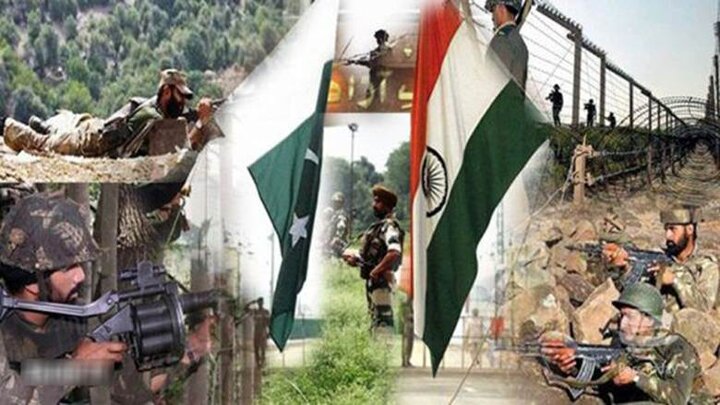
India responded swiftly, accusing Pakistan of supporting cross-border terrorism. Measures included suspending the Indus Waters Treaty, expelling Pakistani diplomats, and closing borders. Pakistan, denying involvement, retaliated by suspending the Simla Agreement, restricting trade, and closing airspace and border crossings. Skirmishes along the Line of Control commenced on April 24, further exacerbating the crisis.
The international community watches with concern as the two nuclear-armed neighbors navigate this volatile situation. The potential for further escalation underscores the urgent need for diplomatic engagement to prevent a broader conflict.